• La Union is a coastal province in the Ilocos Region of Luzon, the largest island in the Philippines. Known for its surf culture, sandy beaches, and lively nightlife, it has become a popular destination for both local and international travelers. The provincial capital is San Fernando, which also serves as the regional center for commerce and government.

    In the spring of 2024, I made my way to La Union from Cabanatuan City in Nueva Ecija province. Nueva Ecija is famously called the “Rice Granary of the Philippines” because it produces the country’s largest rice yields. I had spent the majority of my trip in this agricultural heartland, surrounded by golden fields and the gentle pace of rural life.

    The bus journey from Nueva Ecija to La Union involved a couple of transfers. Each bus station was a burst of energy—chaotic, noisy, and full of life—but also practical, offering travelers quick snacks, bottled water, and restrooms. As we traveled north, I watched the scenery shift from rice paddies and quiet villages to coastal towns with the smell of saltwater in the air. Along the way, I spotted water buffalo grazing in the fields, a classic sight in the rural Philippines.
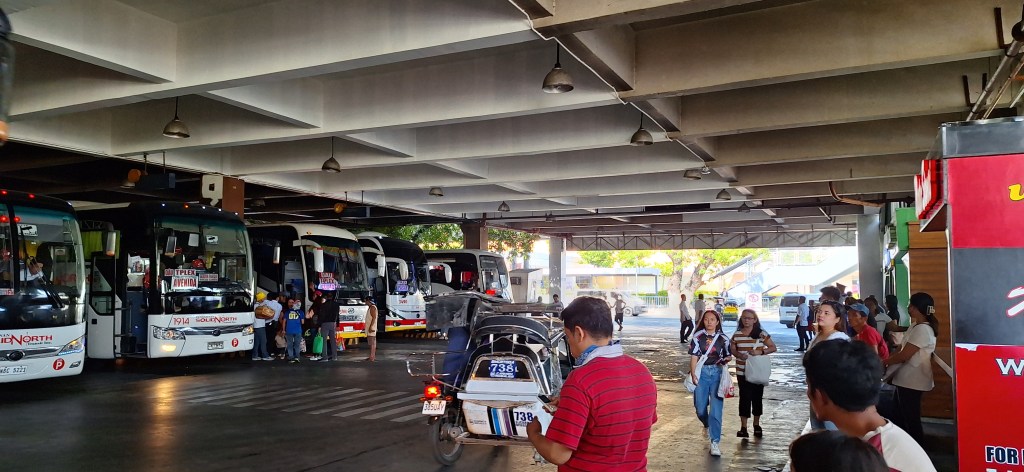
    The La Union Experience

    La Union is best known for its surfing culture—a relaxed, barefoot lifestyle that blends sport, socializing, and the simple joy of being near the ocean. Its main surfing hub, San Juan, attracts both seasoned surfers and beginners looking to ride their first waves. Lessons are easy to arrange, and boards can be rented for a reasonable price right on the beach.

    I decided to give surfing a try, and it was here that I learned just how much physical endurance it takes to paddle out repeatedly and stay balanced on the board. By the end of my first session, I was sunburned, exhausted, and completely hooked. The combination of warm water, gentle waves for beginners, and the thrill of standing on a surfboard made it an unforgettable experience.
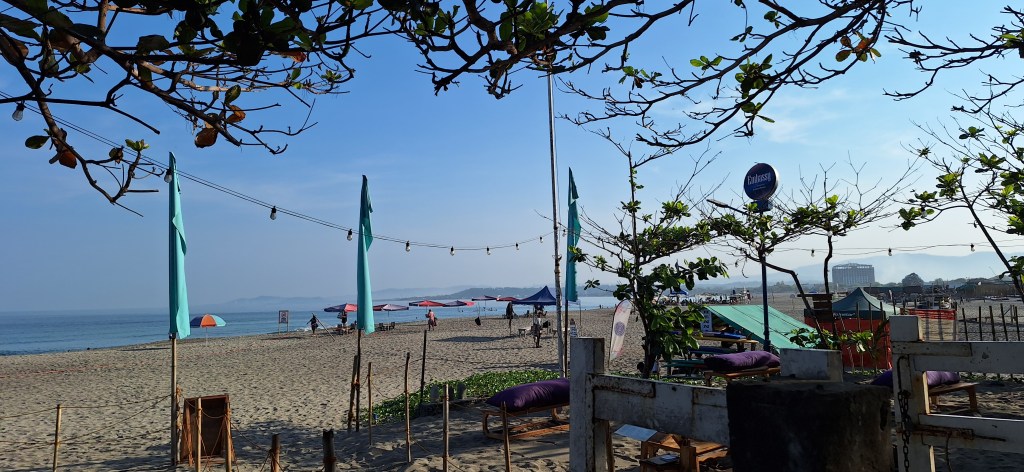
    When the sun sets, La Union’s nightlife comes alive. Beachfront hostels and bars glow with warm lights, and the air fills with the sound of live music, laughter, and the clink of glasses. Tourists and locals mingle easily, creating a friendly, laid-back vibe. I met a few new friends from different parts of the Philippines, and we spent the evening eating and chatting at a hostel by the shore, with the sound of waves crashing in the background.
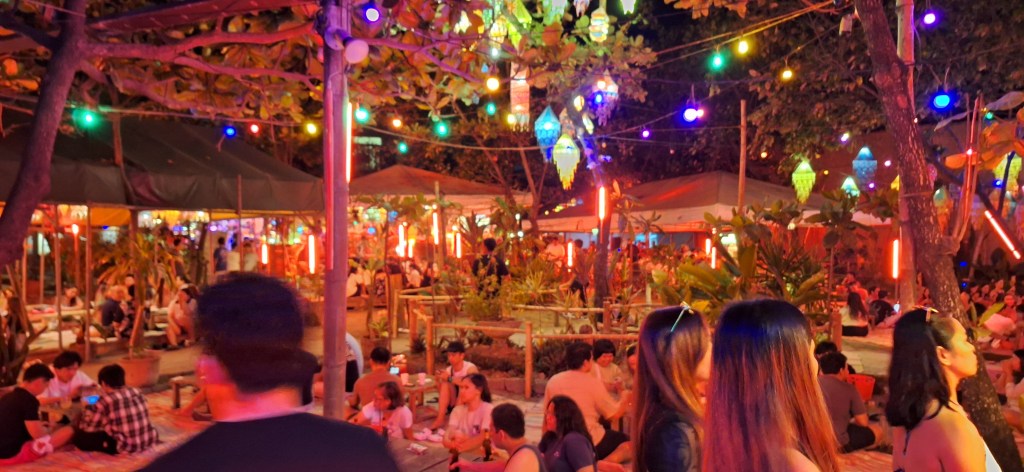
    The food scene in La Union is another highlight. Fresh seafood, grilled meats, and tropical fruits are everywhere, often served with a local twist. Many beachfront cafés also serve excellent coffee, perfect for a slow morning after a night of music and conversation.

    A Short but Sweet Stay

    I only spent two days in La Union, but I truly wished I had more time. Unfortunately, my flight back to Canada was just a few days away, and I had to return to Cabanatuan to pack my belongings.

    While my time there was short, the memories I took with me were lasting—the hospitality of the family I stayed with in Cabanatuan, the kindness of strangers I met along the journey, and the joy of learning something new in such a beautiful setting. La Union is not just a surfing destination; it’s a place where you can slow down, connect with people, and enjoy the simple pleasures of life by the sea.
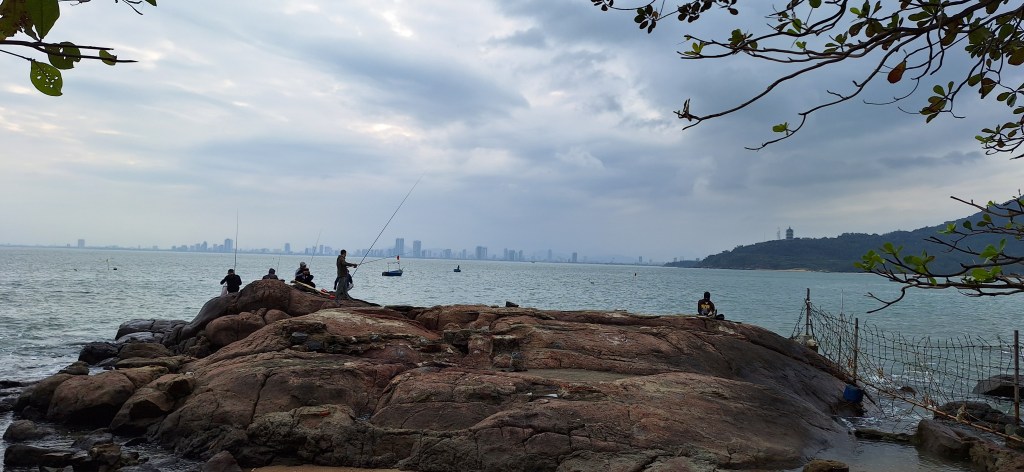
  • Da Nang is a vibrant coastal city in central Vietnam known for its long stretches of sandy beaches, friendly locals, and a laid-back yet modern vibe. Nestled between the lush mountains and the East Sea, the city strikes a perfect balance between nature and urban life.

    As a coastal city, Da Nang’s culinary scene is heavily influenced by the sea. Fresh seafood is abundant and affordable, with local specialties such as grilled scallops with scallion oil, steamed clams in lemongrass, and the famous Mi Quang with shrimp and squid. Street food stalls and beachfront restaurants alike serve up daily catches that are as delicious as they are diverse.

    Da Nang is also home to a large and growing expat community, particularly among digital nomads, thanks to its reliable Wi-Fi, relaxed atmosphere, and scenic surroundings. Cafés throughout the city are laptop-friendly, and many offer sweeping views of the ocean or the Han River.

    Adventures in Da Nang

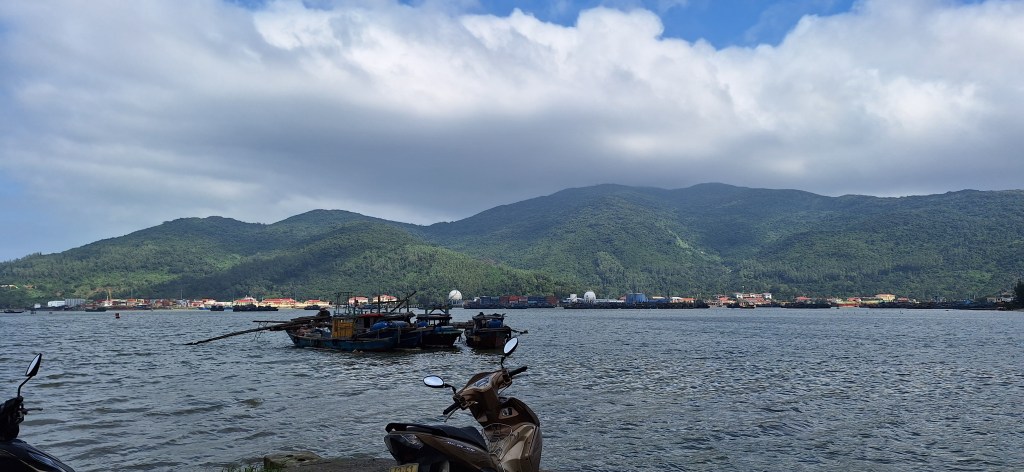
    One of my most memorable experiences was driving up Son Tra Mountain, also known as Monkey Mountain. This winding mountain road is filled with hidden viewpoints and the occasional group of playful monkeys darting across the road. Near the base of the mountain lies the Linh Ung Pagoda, a stunning temple complex that features the Lady Buddha statue, standing at an impressive 67 meters—one of the tallest in Vietnam. From here, you can see panoramic views of Da Nang’s coastline.

    The Son Tra Peninsula is full of hidden gems—quiet fishing coves, secluded beaches, and hiking trails that lead into dense jungle. Mountain mist sometimes blankets the higher elevations, creating a mystical, almost eerie atmosphere as you ascend. Do note that the final stretch of road to the summit is steep and winding; during my visit, a security checkpoint allowed only semi-automatic or manual motorbikes beyond a certain point. Fully automatic scooters were turned away, so be prepared if you plan to ride to the top.

    Food and Local Life

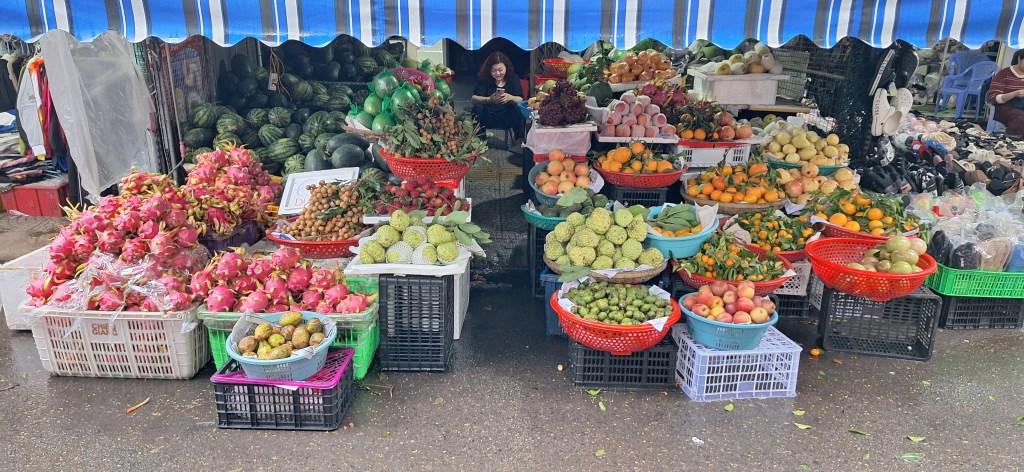
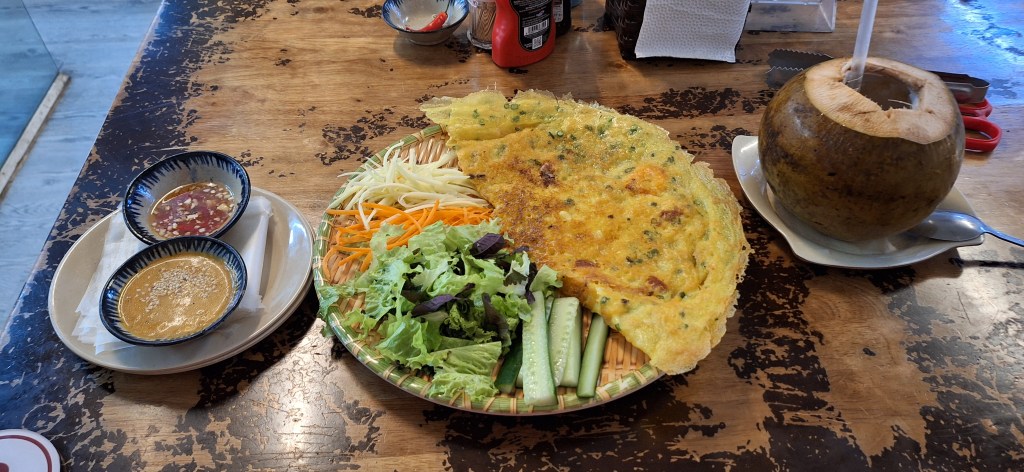
    If you love seafood and Vietnamese cuisine, Da Nang is a paradise. From steaming bowls of bun cha ca (fishcake noodle soup) to the city’s famous banh xeo (crispy Vietnamese pancakes), the food is rich in flavor and history. Local markets buzz with activity every morning, selling everything from exotic fruits to freshly caught fish. I particularly enjoyed visiting street vendors offering ripe mangoes, dragon fruit, and jackfruit.

    The coffee culture here is also fantastic. You’ll find everything from traditional Vietnamese drip coffee to trendy cafés serving creative brews. For a unique experience, try salt coffee, a local specialty that balances bitterness and saltiness for a surprisingly delicious combination.

    No visit to Da Nang is complete without strolling through the night market or watching the Dragon Bridge breathe fire and water on weekend evenings. These events give the city a playful, energetic charm that contrasts beautifully with its natural calm.

    Exploring Beyond Da Nang

    Da Nang also serves as a great base to explore central Vietnam.

    • To the south, just a 40-minute drive away, lies Hoi An, a beautifully preserved ancient town with lantern-lit streets, historic architecture, and a rich cultural atmosphere. I’ll dedicate an entire post to Hoi An. You can rent a motorbike or car and enjoy a scenic coastal drive to reach it. Along the way, you’ll find oceanfront “gyms” used by locals for morning workouts, complete with showers so you can rinse off after a refreshing swim.
    • To the north, the iconic Hai Van Pass offers one of Vietnam’s most scenic mountain drives. The views are absolutely worth the effort. Stop at the top to visit Hai Van Gate, often called “the most majestic gate in the world.” Located nearly 500 meters above sea level, this historic stone gate marks the boundary between Da Nang and Hue and was once a strategic military site. Today, it stands as a relic of Vietnam’s dynastic and wartime history, surrounded by misty peaks and dramatic cliffs.

    Final Thoughts

    I spent a full week in Da Nang and the surrounding areas, and it felt like I only scratched the surface. With its stunning natural beauty, rich local culture, fantastic food, and welcoming atmosphere, Da Nang is truly a gem of central Vietnam. Whether you’re a beach lover, a foodie, a history buff, or a road tripper, there’s something here for everyone—and I highly recommend staying longer if you can.

  • My home is Toronto, and in the summer, I love biking through the city’s trails. Nature here feels alive. The leaves shimmer after a summer rain, and the forests smell rich and earthy.

    Southern and eastern Ontario get a healthy amount of precipitation year-round, which supports deep root systems and thick, green forests. Even summer thunderstorms, which roll in fast and leave just as quickly, help keep everything vibrant.

    As I became more curious about the trees surrounding me, the first thing I learned was the difference between deciduous and evergreen. Deciduous trees like maples and oaks shed their leaves every fall, while evergreens like white pine and spruce stay green year-round. Ontario’s forests are a mix of both, which creates a rich, layered canopy and dense undergrowth.

    Toronto also borders one of the Great Lakes—Lake Ontario—which plays a big role in moderating the climate. The lake helps prevent late frosts, keeps the air humid, and extends the growing season, allowing trees and plants to thrive even deeper into the fall.

    Spending time in these green spaces has made me appreciate how alive and diverse Ontario’s ecosystem really is.

  • I spent 5 days in Ha Giang, Vietnam, and it has a stunning mountain landscape. As a Canadian on my first trip to Vietnam, I was completely blown away by the scenery and the sense of adventure.

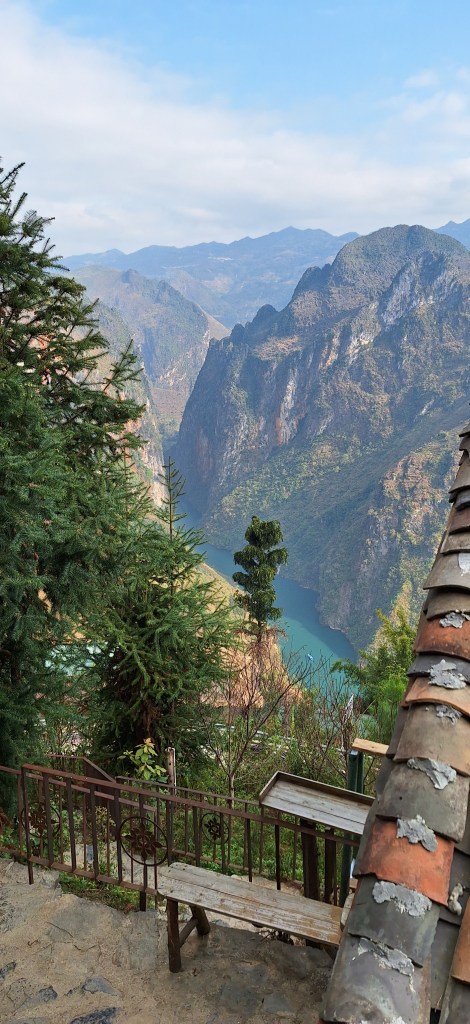
    Here is an image from my personal travels, overseeing the Ma Pi Leng Pass. The road is known as the Happiness Road, with memorial information boards hinting at its historical significance.

    Ha Giang is known for its dramatic landscapes, ethnic diversity, and unspoiled charm. It’s considered one of Vietnam’s last frontiers for authentic, off-the-beaten-path travel. The area is home to stunning karst mountains with deep valleys and winding rivers, shaped over hundreds of millions of years. These jagged peaks formed as the Indian and Eurasian tectonic plates collided, crumpling ancient seafloor into towering limestone formations. Over time, wind and rain sculpted the landscape into the sharp cliffs and sinkholes typical of karst topography. A ring road connects several rural towns — Yen Minh, Dong Van, and Meo Vac — offering a journey filled with sky-high panoramic viewpoints. The drive is challenging but incredibly rewarding, as every twist in the road reveals another breathtaking piece of geologic history.

    Ha Giang’s mountains are dramatically different from the Canadian Rockies. The mountains in Ha Giang are primarily karst limestone, formed by the dissolution of soluble rocks over millions of years. This creates sharp peaks, jagged ridgelines, sinkholes, and vertical cliffs – an almost alien landscape.

    In contrast, the Rocky Mountains are largely made of granite and sedimentary rock. Their shapes are more massive and rounded, with broad valleys carved by glaciers and rivers. The Rockies are much taller, often towering above 3,000 meters (10,000+ feet), with snow-capped peaks and alpine terrain. Ha Giang’s mountains are lower in elevation (around 1,000–2,000 meters), but the terrain feels more dramatic due to the vertical drops and narrow valleys.

    In Ha Giang, tiny villages cling to cliff edges and roads twist along narrow ridges. It’s intensely human-scaled, with Hmong and other ethnic groups living closely with the land.

  • My inspiration for this blog is to discuss things I am curious about in the world around me.

    The world is full of beauty in its details. I see it everywhere, even in the shapes of these clouds I saw a couple days ago.

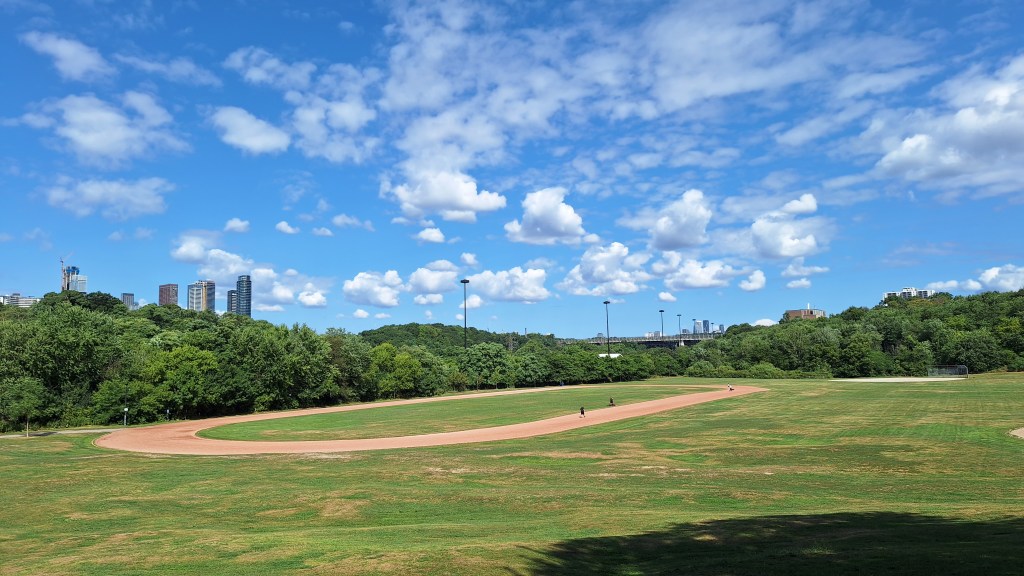
    Riverdale Park – Toronto, Canada

    Recently I learned about two classification for clouds (altostratus and cirrus). I did some more research and scientist classify clouds based on their altitude and appearance.

    Most of the clouds in the image are classic cumulus clouds. These are the fluffy, well-defined clouds you imagine when you think of a sunny summer day. They form when warm air rises and cools, creating these bright white, cauliflower-like puffs. Typically, they’re found at low to mid-level altitudes and are signs of fair weather.

    You can see them dotted across the skyline, floating peacefully above the tree line and buildings.

    In addition to the cumulus clouds, there are also flatter, more layered patches that could be stratocumulus or altocumulus. These clouds tend to form in clusters or sheets, often covering more of the sky. Whether they’re classified as “strato” or “alto” depends on their altitude—stratocumulus clouds sit lower in the sky, while altocumulus clouds float higher up, around 2 to 6 kilometers.

    These patchy, lightly textured clouds bring dimension and movement to the sky, adding to the tranquil yet dynamic atmosphere of the day.