Before heading into Nikko, I made one last practical stop: a Mega Don Quijote. Knowing I’d be hiking and spending time in the mountains, I stocked up on essentials — snacks, drinks, and a few small items that always seem obvious only after you need them. I checked the weather again, and it looked promising for the weekend. Cold, but clear enough for walking.
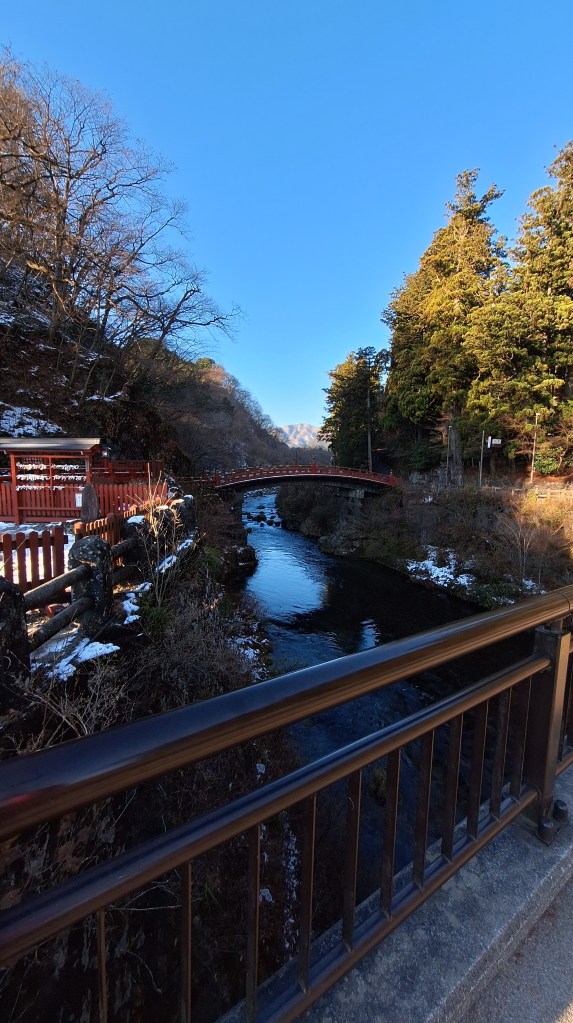
On December 5th, I took the train from Funabashi into Nikko. The ride itself felt like a transition — the city thinning out, concrete giving way to trees and hills. By the time I arrived, the air was sharper and cleaner. I checked into the Nikko Park Lodge, dropped my pack, and let myself settle in.
My first day in Nikko ended up being intentionally slow. I didn’t explore the town much at all. Instead, I eased into the place, chatting for a while with another traveler passing through from Vietnam. We exchanged stories, routes, and small travel philosophies — the kind of conversation that happens naturally when no one is in a rush.
That night, the cold set in quickly after sunset. I slept in my base layers, cocooned under blankets, listening to the quiet hum of the lodge.
Ancient Paths and Deep Forests
On Day Two, I checked the Nikko town website looking for routes that went beyond the standard tourist circuit. That’s when I discovered two ancient walking paths, once used by priests centuries ago. These weren’t just hiking trails — they were spiritual routes, walked repeatedly over generations by monks and ascetics moving between temples, mountains, and sacred sites.
Link to Historical Walking map: https://nikko-travel.jp/assets/files/english/nikko_historical_walking_map.pdf
I chose one of them: Takino’o Path, a wandering route that passes directly through a UNESCO World Heritage area. I started the morning walking toward Nikkō National Park, the town gradually dissolving into forest.
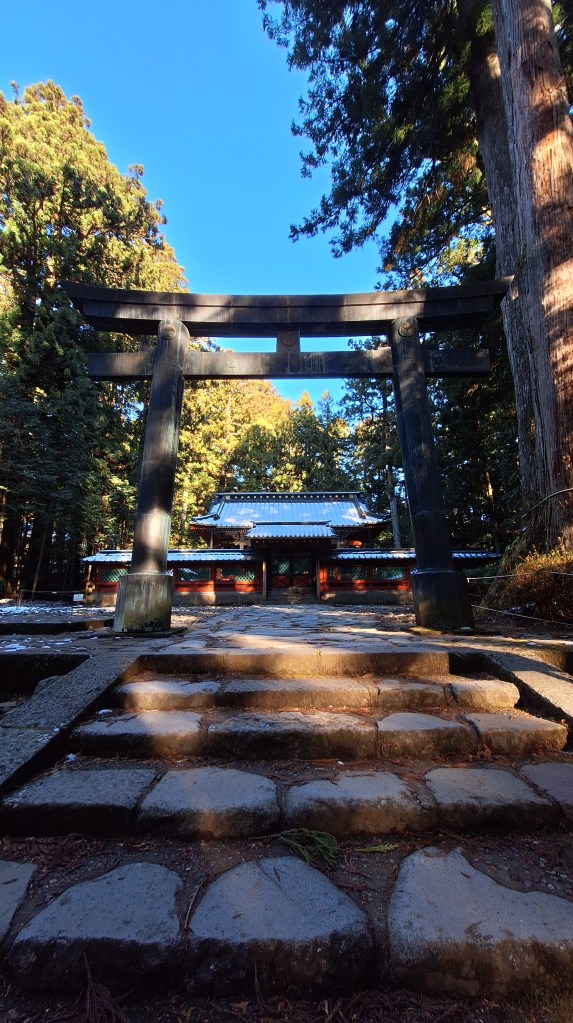
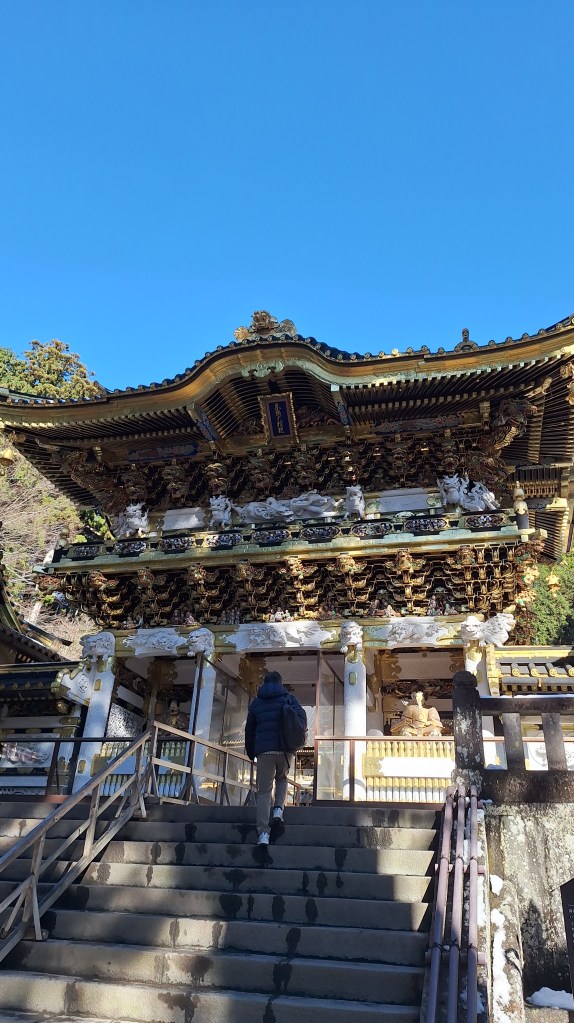
Before committing fully to the trail, I spent a couple of hours at Tōshō-gū Shrine, one of Japan’s most ornate and significant World Heritage sites. The craftsmanship was overwhelming — layers of carved wood, gold detailing, mythical creatures, and symbolic imagery everywhere I looked. It felt less like visiting a shrine and more like stepping into preserved ancient Japan, where devotion and artistry were inseparable.
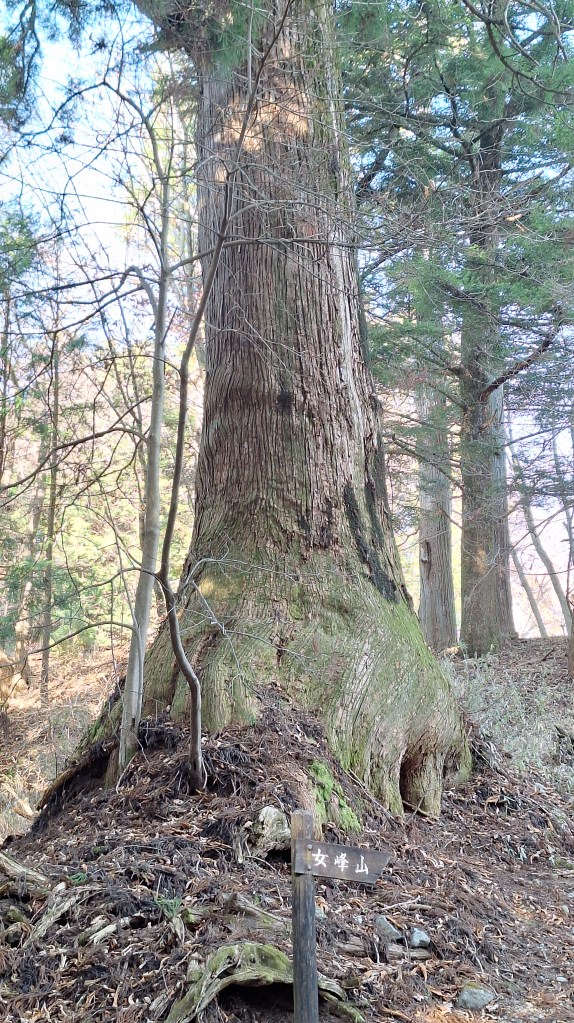
By late morning, I returned to Takino’o Path and headed deeper into the forest. Almost immediately, the atmosphere shifted. The noise of people faded, replaced by wind in the trees and the rhythm of my own steps. This part of Nikko is a deep pine forest, tall and solemn, with trees rising like pillars in a natural cathedral. The air was cooler, heavier, and still.
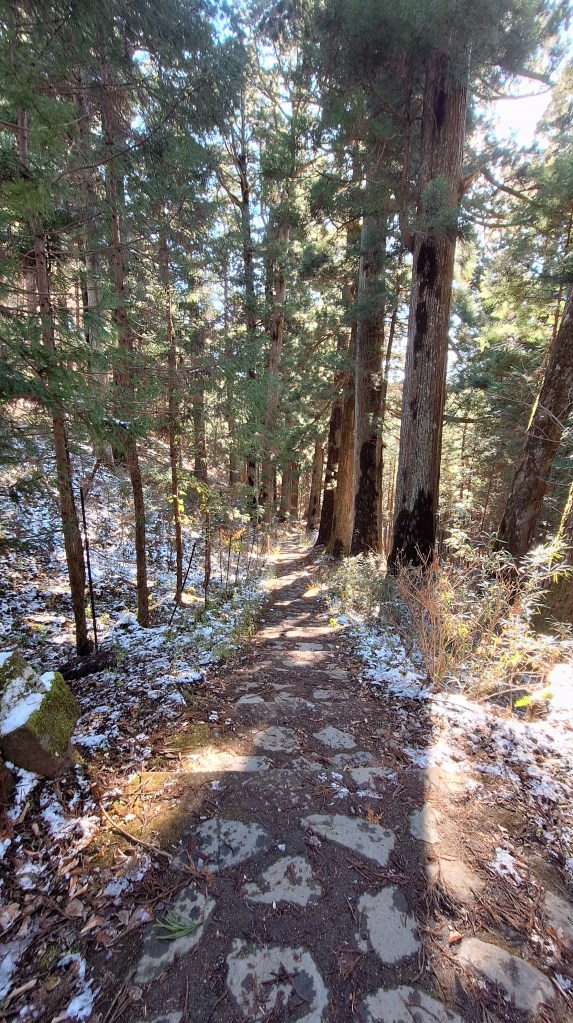
Surrounding Takino’o shrine, the forest became breathtaking. Snow fell gently from the pine branches, drifting down in soft bursts. White snow contrasted against dark, moss-covered wood; rich green pine needles cut through the quiet; and the deep red of the shrine stood vivid against the muted winter tones. It was a complete feast for the senses.
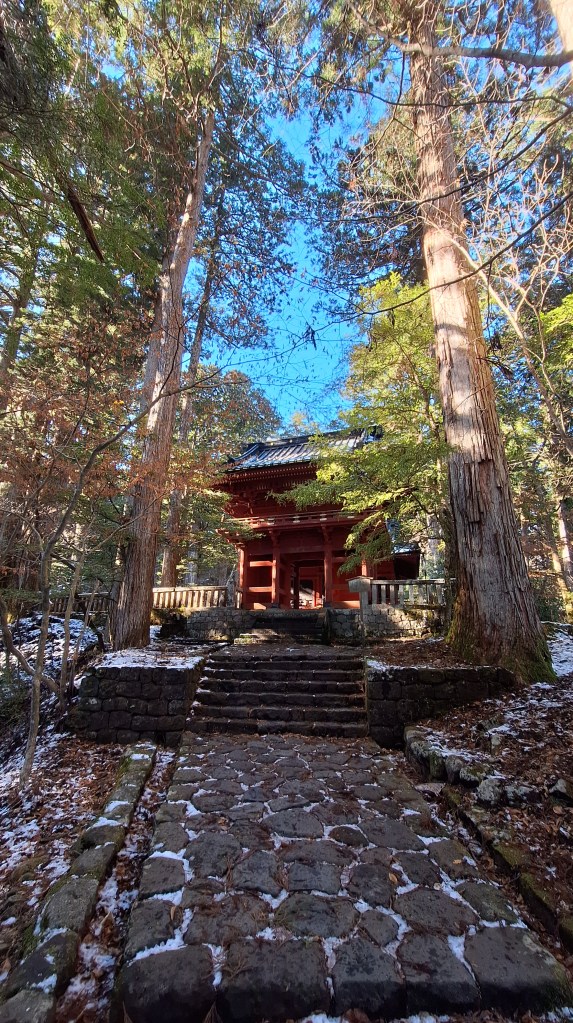
Standing there, surrounded by silence and falling snow, I felt an overwhelming sense of gratitude — not just for the scenery, but for the chance to experience it slowly, without rush or distraction.
Day Three — Gorges, Bridges, and Reflection
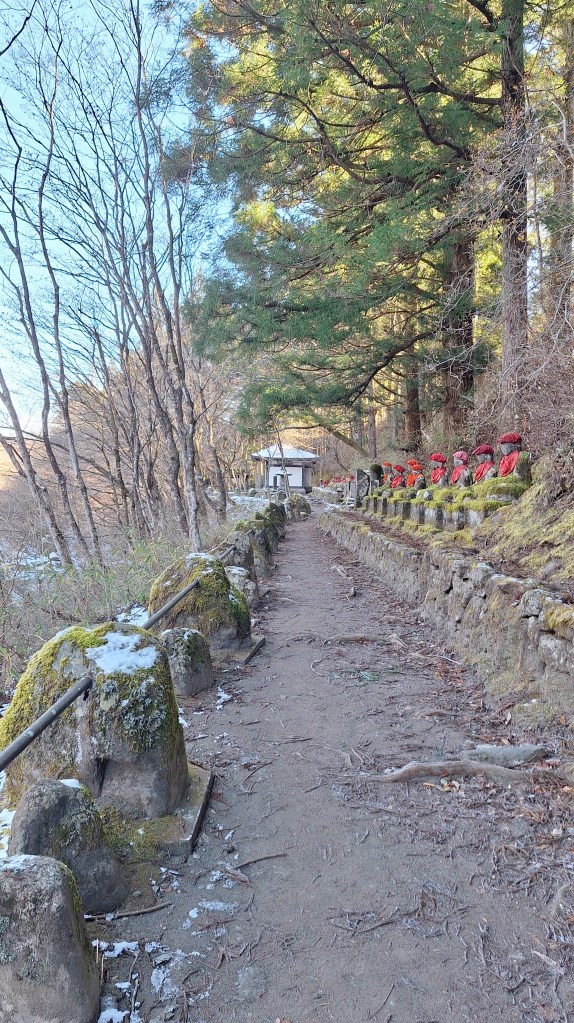
On the third day, I set out on Kanmangafuchi’s Historical Walking Trail, the second ancient path in the Nikko–Tobu area. Compared to Takino’o path, this trail felt more open and dramatic. The path followed a striking abyss, where the land drops away to reveal rushing water below. Along the way, I passed several quiet temples and sacred structures that blended naturally into the landscape.
One of the highlights was Dai-ni-chi Bridge, offering wide, scenic views of the surrounding mountains. I rested there for a couple of hours, letting the cold air fill my lungs. I spoke with another traveler who had stopped to admire the view, and we shared stories while the mountains stood silently around us.
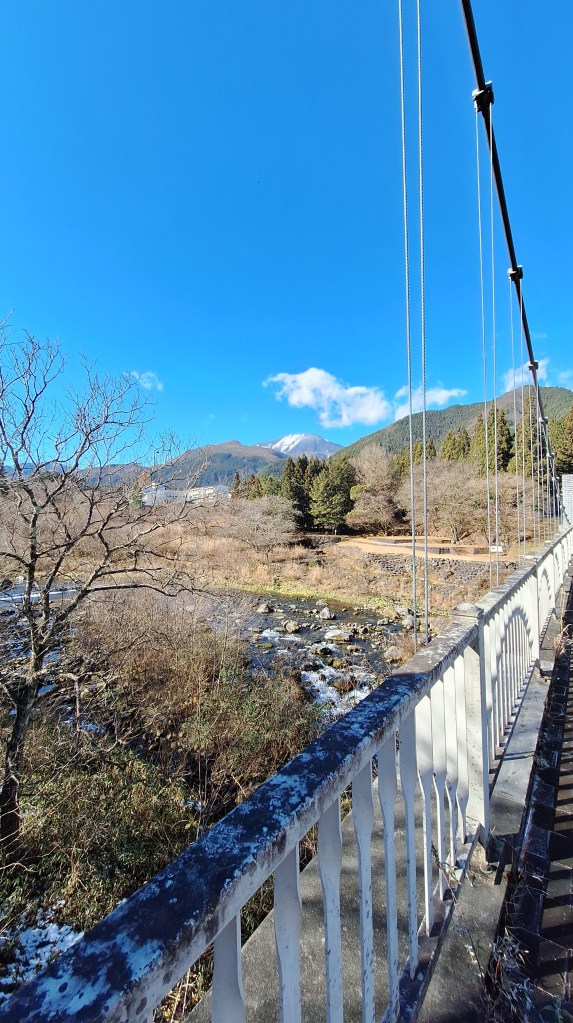
Sitting on that bridge, something quietly clicked. I realized that to live as a vagabond — to move intentionally through the world — there are two essential skills. The first is the mastery of self: knowing your limits, patterns, fears, and when to push or rest. The second is the mastery of letting go. Letting go of plans, places, people, comfort, and certainty. This reflects a core Buddhist teaching — that all things are impermanent by nature. Sitting there, impermanence didn’t feel heavy or sad. It felt freeing.
After hours of walking, my body was ready for warmth. I headed to a nearby onsen for a proper bath. The hostel I was staying in was simple and functional, but nothing compares to sinking into hot mineral water after a long day on foot. Muscles loosened, thoughts settled, and the day came quietly to a close.
Quiet Trails and Subtle Teachings
The common trails around Nikko were incredibly quiet. There were no flashy shrines or dramatic attractions — just nature revealing itself without effort. When I returned to the dorm that evening, it felt almost empty. With winter arriving, tourist numbers had clearly dropped. Instead of feeling lonely, I found the stillness comforting.
The next day, I walked Takano Shrine Path again, this time slowly, stopping often, allowing the trail to reveal itself without expectation. Familiar paths felt new when walked without urgency.
It was during this time that I came to deeply appreciate Japan’s unique blending of Buddhism and Shintoism. Throughout Nikko — especially near shrines and along forested paths — stone lanterns appeared again and again. Along Takano’s Path in particular, they lined the trail like quiet guardians, weathered and softened by time.
What struck me most was how deeply decorated many of them were. The ancients had spent enormous care carving symbols, characters, and ritual markings into stone — work that would have taken countless hours, done slowly and deliberately. Originally, these lanterns served both practical and spiritual purposes: guiding pilgrims through dark paths, illuminating sacred spaces, and acting as offerings of light to the gods and Buddhas.
Now, centuries later, moss clings to their surfaces, softening the sharpness of the carvings and blending them seamlessly into the forest. They no longer feel like objects placed into nature, but like something that grew there alongside the trees.
While I was in Nikko, I noticed a shift within myself. I felt less like a traveler collecting experiences and more like a student of life itself — open-minded, observant, and eager to learn. Obstacles became lessons. When you stop reacting and start observing, patterns emerge. Things begin to make sense on their own.
Somewhere along that walk, I realized there was more to explore — higher up, deeper into Nikko’s interior. The mountains felt like an invitation.
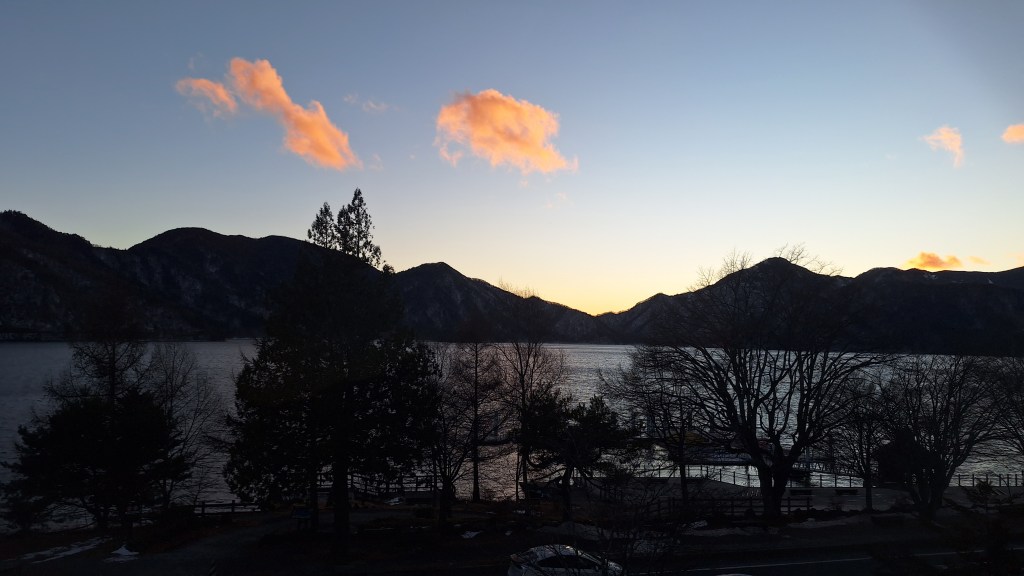
I checked out, packed up, and booked a stay near Lake Chūzenji, ready to continue the journey upward.
 Curious Travels
Leave a comment