A quiet three-day stop in a small town most travelers only pass through
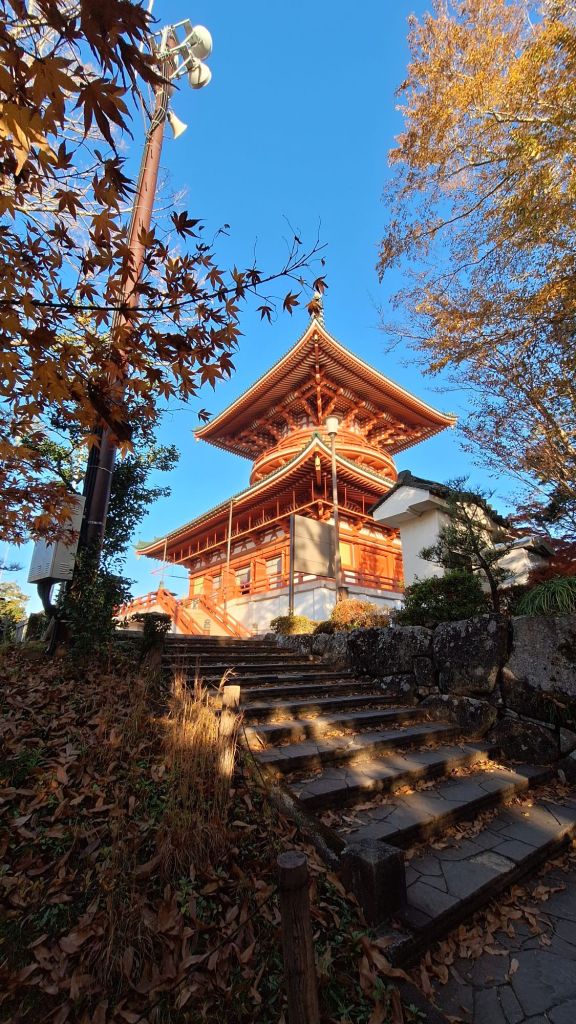
平和大塔
When most people hear the name Narita, they think of the airport — the giant international gateway where millions of travelers pour into Japan each year. But just ten minutes away sits Narita the town: a small, peaceful place shaped more for local Japanese tourism than for international visitors.
I spent three days here, long enough to understand its structure, rhythm, and quiet charm. Narita almost feels like three small towns stitched together.
On one side is the residential area, calm and lived-in — narrow streets, low houses, families on bicycles, and the soft hum of everyday life. Nothing flashy, but deeply peaceful.
To the east of the JR and Keisei train lines is the modern town core, centered around a shopping mall and everyday stores. It’s practical and functional, the kind of place where locals run errands and school kids grab snacks, not a tourist hotspot.
But cross to the west side of the tracks, and the character of the town changes completely. This is where Narita hides its real charm: the Old Walking Street and the Tourist Center. The wooden storefronts, traditional craft shops, and old-style eateries offer a glimpse into what a Japanese town might have looked like long ago — narrow facades, warm lanterns, and a feeling of preserved history. It’s gentle, authentic, and not overly commercial despite being a tourist area.
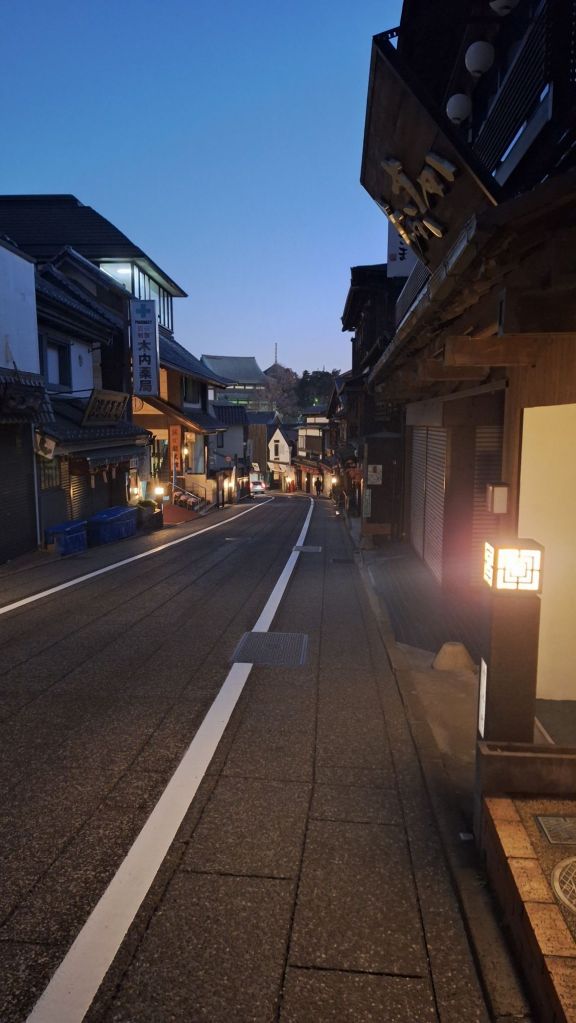
Food, drink, and old-town atmosphere
The Old Walking Street is lined with restaurants and bars, mostly catering to Japanese tourists visiting the temple. From cozy izakaya to traditional rice shops and grilled eel stores, the entire street has a warmth that makes you slow down, look around, and just enjoy the simple charm of old Japan.
Walking down that street leads naturally to the spiritual heart of the town.
Naritasan Shinshoji Temple and the vast park beyond
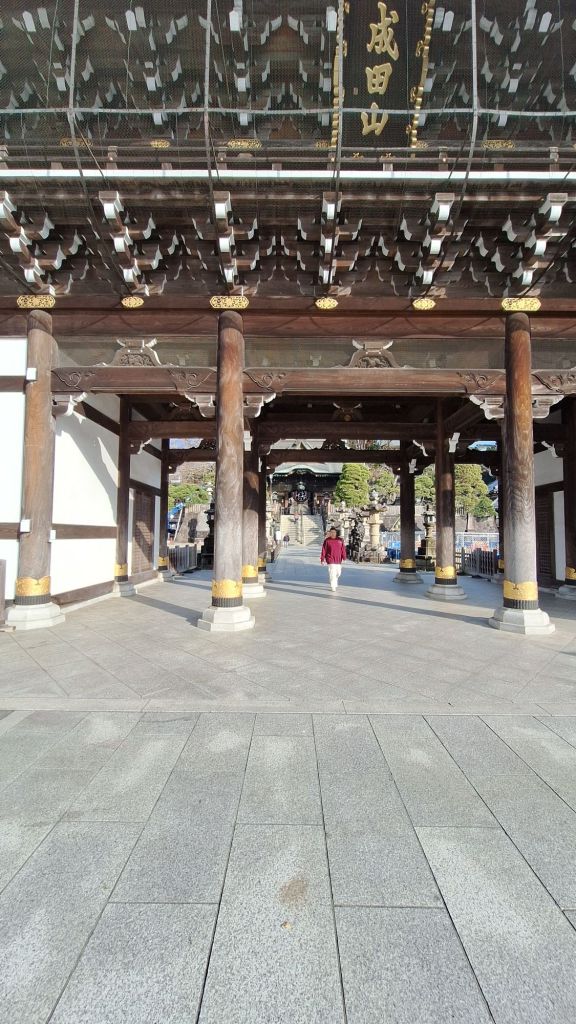
At the end of the street stands Naritasan Shinshoji Temple, a massive Buddhist temple complex with grand gates, pagodas, and centuries of history. Behind the temple lies Naritasan Park, an unexpectedly vast nature area covering roughly 165,000 square meters — about 3.5 times the size of Tokyo Dome.
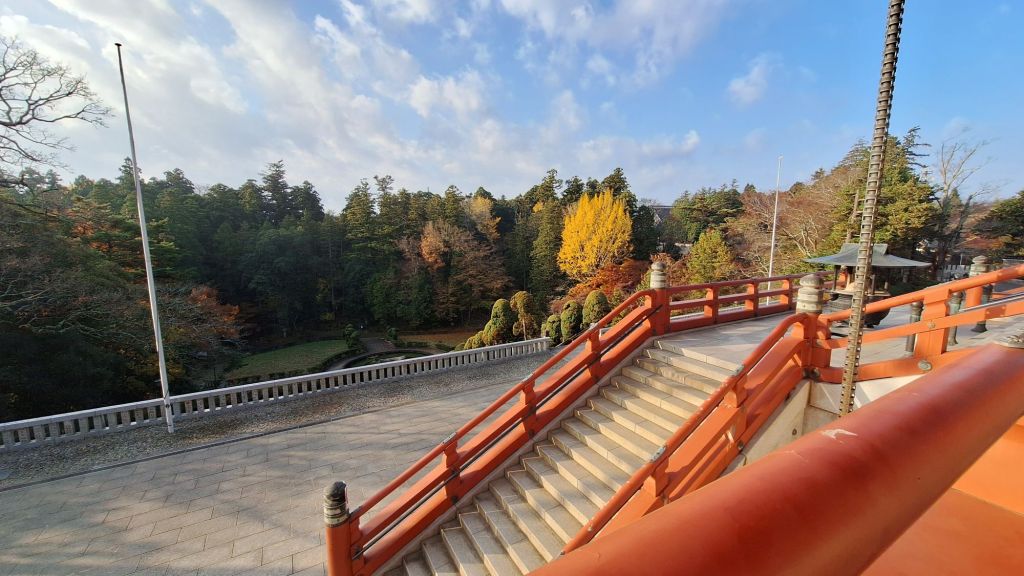
The park rolls across ponds, small waterfalls, forested slopes, and quiet walking paths. It feels like stepping into a pocket of Japanese countryside that somehow exists inside a town built beside an airport.
Sunrise walks and discovering the Japanese maple
Because I flew in from Canada, jet lag had me waking up before dawn.
Unexpectedly, those early mornings became one of the best parts of my stay.
Every morning, I wandered into the park before sunrise. In that soft, golden hour, I started to notice something I had never truly compared before: the Japanese maple.
Japanese maple trees are more refined, intricate, and varied in shape compared to Canadian maple trees. Each leaf is smaller but just as vibrant, and because the leaves grow densely along slender branches, the entire tree looks like a burst of color — delicate yet intense. Combined with its thin trunk and elegant branching, the Japanese maple truly looks oriental, almost like a tree shaped for art, temples, and reflections.
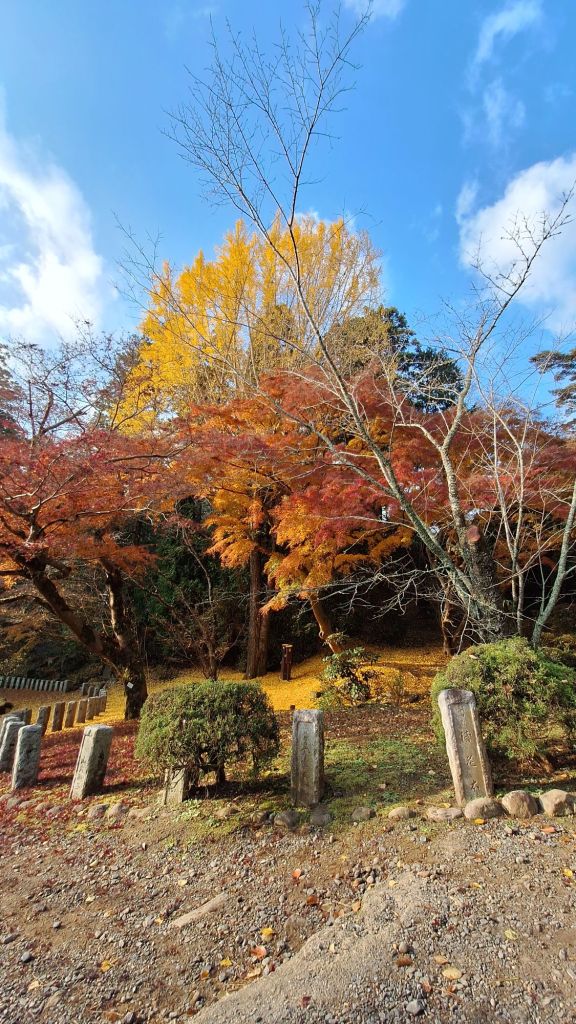
Standing beneath them as the sun rose was like being inside a painted landscape.
Wildlife, peaceful streams, and the gentle life of the park
What struck me most was how alive yet peaceful the park is. It’s immaculately maintained, with clean paths and perfectly placed stones, but the wildlife brings its own personality.
In the mornings, the air is full of birdsong and the deeper, echoing calls of the large black crows that perch on treetops. Their sharp beaks and glossy feathers look intimidating, but they interact surprisingly playfully with the smaller birds around them.
In the evenings, stray cats appear — shy, curious, and often perched in the large trees. They follow visitors with slow blinks and tail flicks, turning the park into something that feels both mysterious and cozy.
The koi pond became one of my favorite spots. I would sit there listening to streams trickling over rocks, watching koi glide in slow circles. Some crossing paths let you skip across stones over flowing water — a small childlike joy that made me feel present and alive.
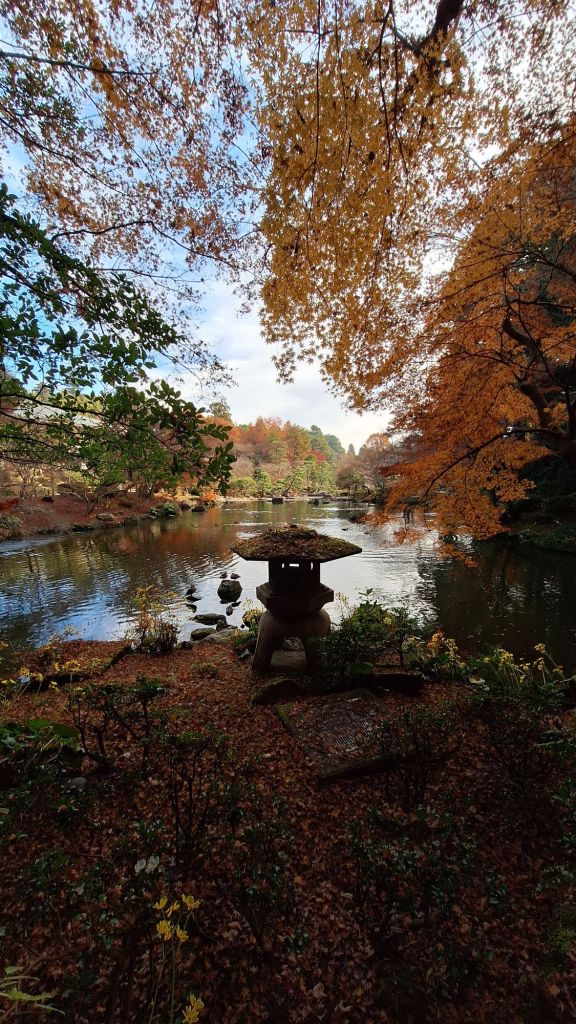
A rest stop that became a quiet love letter to Japan
Narita wasn’t supposed to be a destination.
It was just meant to be a place to rest for a couple of nights, recover from jet lag, and move on to Tokyo.
But instead, in just 24 hours, this small town surprised me.
Its charming streets, its temple, its peaceful park, and its quiet, everyday atmosphere made me think:
I love Japan.
And it all started here — in Narita, a town most people pass by without noticing.
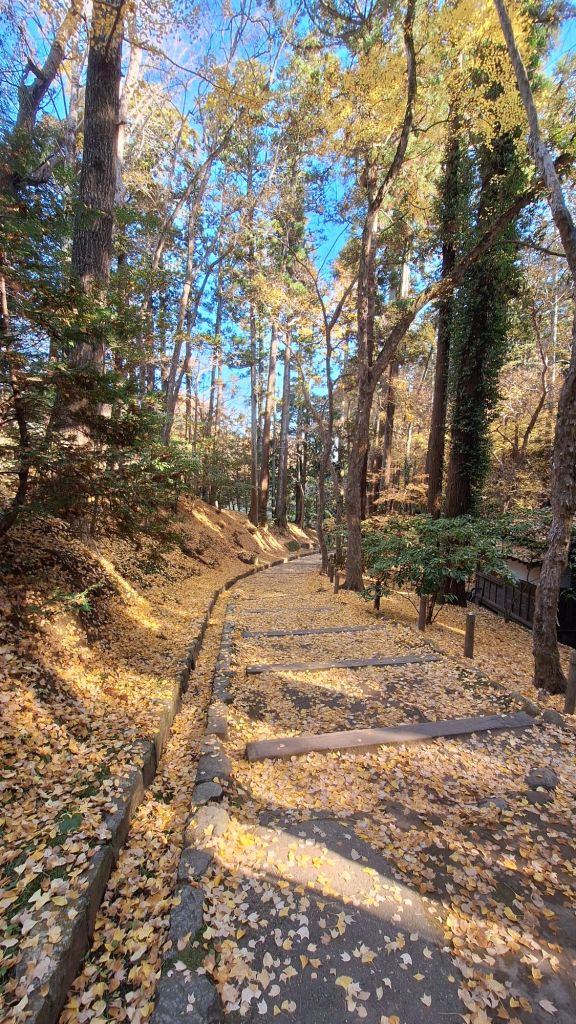
 Curious Travels
Leave a comment